
Psychoeducational Evaluations
Evaluations
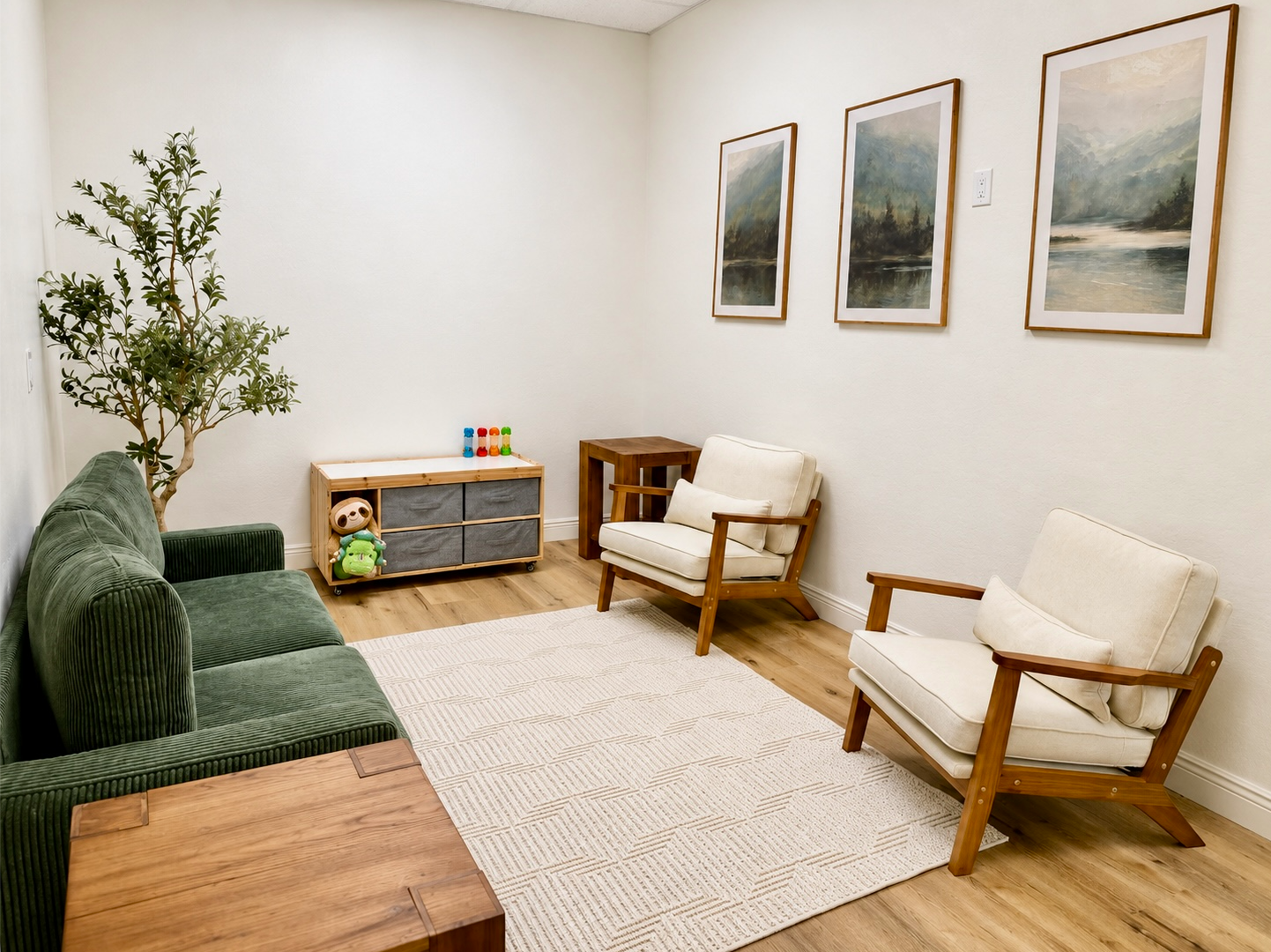
Bring us the part of the story that doesn’t show up on a report card. At our Bakersfield office, Jennifer or Marissa will sit down with you, do the testing, and help you decide what to try at school, at home, or at work.
When a fuller picture would help
Your child might tell a wonderful story on the ride home, then get stuck after one sentence when it’s time to write. Is spelling slowing them down? Is it hard to get the ideas in order? When several explanations seem possible, it helps to look at the pieces together.
Adults bring their own versions of these questions. You might follow a lecture easily, then spend the evening rereading the chapter. Tell us what you’d like to understand, even if you’re unsure which evaluation to ask for.
What happens when you come in
First, we listen
We’ll ask what you notice on an ordinary day, what you’ve already tried, and what you hope the evaluation will help you decide. A teacher’s note or an assignment with the eraser marks still on it can tell us a lot.
Time with your psychologist
You or your child will work one-on-one with Jennifer Martinez or Marissa Hidalgo. A visit might include reading a passage, solving a puzzle, or talking through a problem. We choose activities to match the question and pay attention to how you approach them, including where you pause or find your own way through.
A visit to talk it through
You’ll meet with your evaluator to go through the written report. We’ll make time for the results that surprise you, the ones that sound familiar, and the recommendations you want to try first.
What the report helps you do
Think of the child who could tell the story in the car. If spelling is taking most of their effort, the report might recommend direct spelling instruction. If organizing the story is harder, it might suggest rehearsing it aloud and making a short outline before writing.
At feedback, you can ask, “What would that look like on the next homework assignment?” We’ll talk through how to try a recommendation and what to share with a teacher. Adults can bring the same question about a class or a task at work.
Before your first call
One example is enough to start the conversation. If you have a previous evaluation, a school plan, or a piece of work you’d like us to understand, mention it when we speak.
We’ll discuss the scope of testing, private-pay fees, and current availability before you decide. You can have the introductory call in English or Spanish.
When a focused evaluation may fit
If the question is specifically about recognizing words, reading fluently or spelling, ask us about focused dyslexia testing. When reading is one of several concerns, we can explain what examining the broader learning profile would add. Tell us which decision the results need to help you make before choosing a scope.